saint
St. John the Merciful, Patriarch of Alexandria
Patriarch of Alexandria who dispensed alms on so massive a scale that he called the destitute his masters and lords, sitting each morning at the cathedral doors to hear petitioners; his charity became the measure against which Orthodox mercy is still compared.
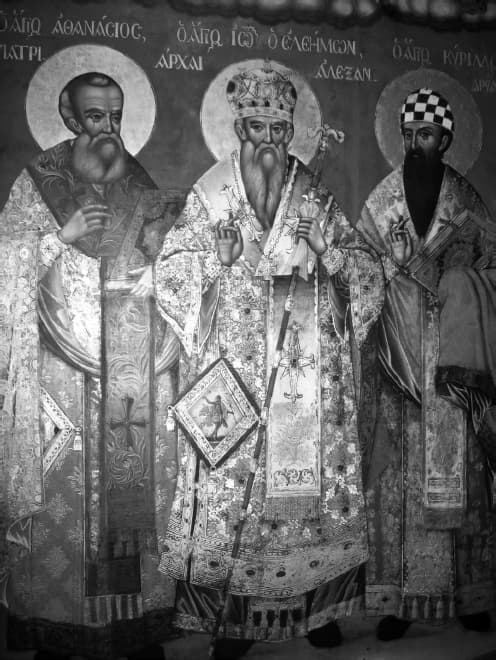
Saint John the Merciful — Hand-curated icon.
Life
John the Merciful was born in the late sixth century in Amathus on Cyprus, son of the island's governor, and entered an early marriage at his family's wish. When his wife and children all died young, John gave away his very considerable wealth to the poor and spent the rest of his life in works of charity. Around 610 he was elected patriarch of Alexandria — the see of Athanasius and Cyril — at a time when the city had been depopulated by plague and the Egyptian church was struggling under heavy taxation and a Persian threat.
His patriarchate transformed almsgiving into a system of administration. He found the cathedral treasury depleted and refilled it not by levies but by personal gifts; he distributed everything he received to the poor of the city, kept a public registry of "the masters" (his name for the poor), and built hospitals, hostels, and orphanages with the donations of the wealthy whom he persuaded to imitate his example. The fall of Jerusalem to the Persians in 614 sent floods of refugees to Alexandria; John housed and fed them.
When the Persian armies eventually threatened Egypt itself in 619, John fled to his native Cyprus, where he died shortly afterward. His feast is kept on November 12 — on the same day with St. Nilus the Faster of Sinai, the fifth-century desert father and disciple of John Chrysostom whose letters and ascetic works are widely read in the Eastern tradition.
Traditions
Feast day
November 12
Topics
Works in library