saint
St. Sampson the Hospitable
Wealthy Roman physician who gave away his entire inheritance, came to Constantinople, and established a hospital for the sick poor that stood for centuries beside the Great Church of Hagia Sophia.
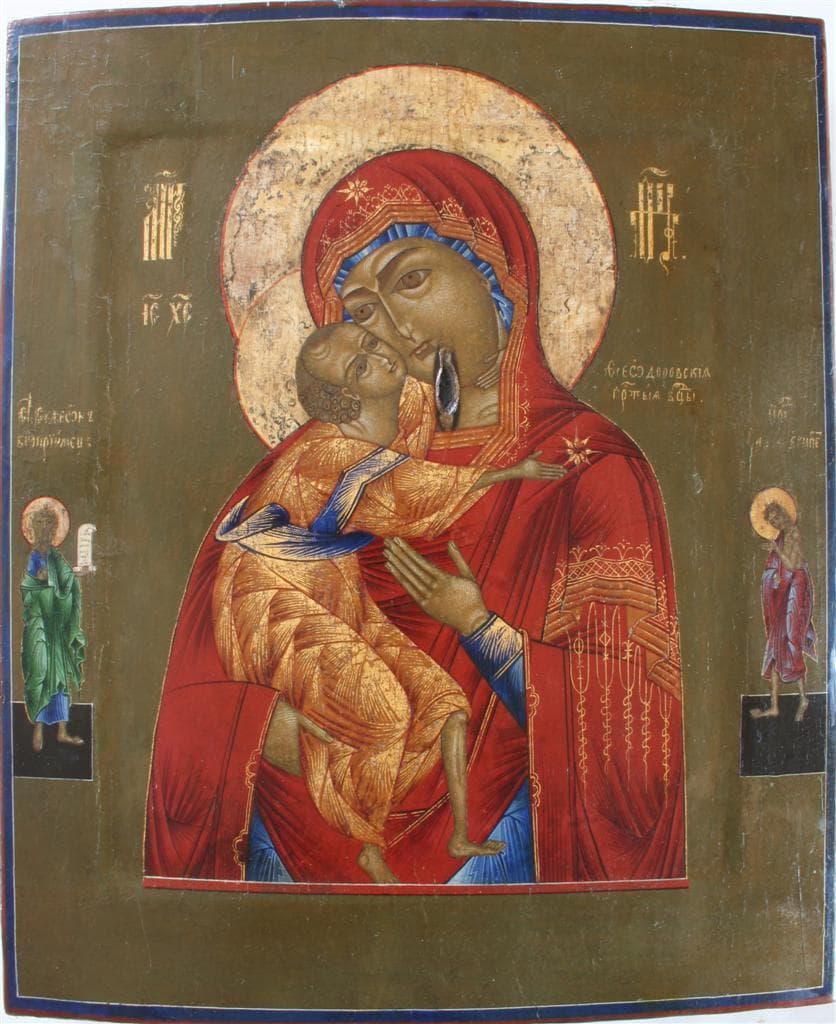
Saint Sampson the Hospitable — Hand-curated icon.
Life
Sampson was born around 490 in Rome of a noble family said to be related to the Emperor Constantine, educated in medicine and the liberal arts, and ordained presbyter as a young man. He gave away his inheritance, distributed his goods to the poor, and traveled east to Constantinople, where he wished to live a quieter life of prayer and the care of the sick. He opened a small house near the great church of Hagia Sophia and there received the poor who came to him, treating them as a physician without charge and feeding them at his own expense.
His house came to the notice of the Emperor Justinian when the emperor fell gravely ill with a disease his court physicians could not cure. Sampson was brought to the palace, prayed over the emperor, applied medicinal herbs, and the emperor recovered. In gratitude Justinian rebuilt and expanded Sampson's small house into a great hospital — the Sampson Xenon — which would serve as one of the principal medical and charitable institutions of Constantinople for nine centuries until the fall of the city in 1453.
Sampson continued to live in modest simplicity beside the hospital he had founded, treating the poor with his own hands and refusing to take payment for his services. He died around 530 at an advanced age and was buried in his own house. He is venerated among the Anargyroi — the unmercenary saints who took no fee for healing — and his feast falls on June 27.
Traditions
Feast day
June 27
Topics
Works in library